Bệnh ung thư
Giảm nguy cơ ung thư bằng chế độ ăn thuần thực vật
Thực phẩm phòng ngừa ung thư
Tìm hiểu thêm
Tài liệu tham khảo
Hãy tặng quà thành viên năm 2026 ngay hôm nay!
Giảm nguy cơ ung thư bằng chế độ ăn thuần thực vật
Ủy ban Bác sĩ có hai mục tiêu chống ung thư. Đầu tiên, chúng tôi đặt mục tiêu giảm nguy cơ ung thư lên ưu tiên hàng đầu. Thứ hai, và cũng quan trọng không kém, chúng tôi muốn cải thiện khả năng sống sót sau khi được chẩn đoán ung thư bằng cách cung cấp thông tin toàn diện về vai trò của các yếu tố chế độ ăn uống trong việc giữ cho con người khỏe mạnh.
Hơn 2 triệu người dự kiến sẽ được chẩn đoán mắc bệnh ung thư ở Hoa Kỳ vào năm 2024.1
Theo Viện Ung thư Quốc gia, chỉ có tới 10% trường hợp ung thư có liên quan đến di truyền; 90% còn lại trở lên xuất phát từ các yếu tố môi trường và lối sống và có khả năng phòng ngừa được.2 Theo Nghiên cứu về gánh nặng bệnh tật, thương tích và yếu tố rủi ro toàn cầu năm 2019, các yếu tố rủi ro hàng đầu góp phần vào tỷ lệ ung thư toàn cầu đều có thể sửa đổi được.3
Các yếu tố rủi ro bao gồm sử dụng thuốc lá và rượu, trọng lượng cơ thể dư thừa và các rủi ro trong chế độ ăn uống bao gồm chế độ ăn ít trái cây, rau, các loại đậu, ngũ cốc nguyên hạt và chất xơ, đồng thời nhiều thịt đỏ, thịt chế biến và natri. Do đó, các yếu tố nằm trong tầm kiểm soát của chúng ta, như chế độ ăn uống và tập thể dục, có thể đóng vai trò quan trọng trong kết quả điều trị ung thư.4
Có một số cách chất xơ giúp chống lại bệnh ung thư đường tiêu hóa. Theo định nghĩa, chất xơ không thể tiêu hóa được. Nó hút nước vào đường tiêu hóa. Nước và chất xơ làm cho phân trở nên cồng kềnh hơn, do đó các chất gây ung thư bị loãng đi và ít tiếp xúc với thành ruột hơn. Chất xơ sau đó di chuyển thức ăn nhanh chóng qua đường ruột, giúp loại bỏ chất thải gây ung thư.
Một người tiêu thụ càng nhiều chất xơ thì nguy cơ mắc bệnh ung thư đại trực tràng, ung thư tuyến tiền liệt, ung thư dạ dày và ung thư vú càng thấp.5-11 Ở Hoa Kỳ, lượng chất xơ trung bình hàng ngày là 10-20 gam mỗi ngày, nhưng chúng tôi khuyến nghị ít nhất là 30-40 gam mỗi ngày. Nguồn chất xơ tốt nhất là ngũ cốc nguyên hạt được chế biến tối thiểu, các loại đậu, đậu Hà Lan, đậu lăng, rau và trái cây. Thực phẩm gần với trạng thái tự nhiên nhất, chưa tinh chế và chưa gọt vỏ, có hàm lượng chất xơ cao nhất.
Chế độ ăn ít chất béo, dựa trên thực vật
Những người ăn thực vật và tiêu thụ nhiều loại trái cây, rau, ngũ cốc nguyên hạt và đậu có nguy cơ mắc bệnh ung thư thấp nhất so với những người ăn thịt.12 Kết quả từ Nghiên cứu Trung Quốc cho thấy những người sống ở các thành phố lớn, nơi thực phẩm có xu hướng phong phú hơn và nhiều chất béo động vật hơn có tỷ lệ ung thư cao hơn so với những người sống ở các vùng nông thôn nơi thực phẩm có nguồn gốc thực vật là trung tâm.13
Theo Trung tâm Kiểm soát và Phòng ngừa Dịch bệnh, chế độ ăn trung bình ở Hoa Kỳ có khoảng 35,6-36,1% chất béo.14 Theo Bộ Nông nghiệp Hoa Kỳ, lượng chất béo được khuyến nghị hàng ngày là khoảng 30% lượng calo của một người. Một số nghiên cứu cho thấy rằng lượng chất béo tiêu thụ phải ở mức dưới 30% thì mới có tác dụng chống ung thư; gần 15% có thể là tối ưu. Tổ chức Y tế Thế giới và Cơ quan Nghiên cứu Ung thư Quốc tế khuyến nghị hạn chế tiêu thụ thịt đỏ và thịt đã qua chế biến để phòng ngừa ung thư.15 Nghiên cứu liên kết những loại thịt này với ung thư ruột kết, dạ dày, tuyến tụy và tuyến tiền liệt.
Một nghiên cứu được công bố vào năm 2024 liên quan đến những phụ nữ thừa cân mắc bệnh ung thư vú di căn cho thấy chế độ ăn toàn thực phẩm, dựa trên thực vật đã cải thiện các dấu hiệu sức khỏe.16 Chỉ sau 8 tuần thực hiện chế độ ăn kiêng, những phụ nữ trong nhóm can thiệp đã giảm insulin lúc đói, giảm tình trạng kháng insulin, giảm cholesterol toàn phần và LDL, lượng nội tiết tố được cải thiện và mức giảm cân trung bình là 6,6%.
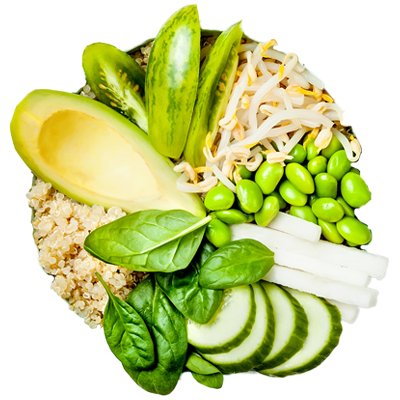
Thay vì thịt, sữa và thực phẩm giàu chất béo, hãy chọn thực phẩm thực vật giàu chất chống oxy hóa, vitamin, khoáng chất và màu sắc. Chế độ ăn uống của bạn càng nhiều màu sắc tự nhiên thì càng có nhiều hợp chất chống ung thư. Các sắc tố tạo nên màu sắc tươi sáng cho trái cây và rau quả—như beta-carotene trong khoai lang hoặc lycopene trong cà chua—giúp bạn chống lại ung thư.17-19
Rượu và thuốc lá đã được chứng minh là gây ung thư và có thể làm tăng nguy cơ mắc các bệnh ung thư khác nhau như phổi, dạ dày, gan và tuyến tụy.20 Rượu đã được Tổ chức Y tế Thế giới phân loại là chất gây ung thư Nhóm 1 và là yếu tố nguy cơ quan trọng nhất gây ung thư gan.21,22 Uống rượu quá mức, mãn tính gây ra xơ gan hoặc sẹo gan, thường tiến triển thành ung thư gan. Rượu được tế bào gan chuyển hóa thành acetaldehyde, chất gây độc trực tiếp cho tế bào. Tiêu thụ rượu thường xuyên cũng có liên quan đến các bệnh ung thư như ung thư đại trực tràng và ung thư vú.23
Ung thư là một trong những nguyên nhân gây tử vong hàng đầu trên toàn thế giới và cần có một hướng đi mới để chống lại căn bệnh này. Những người sống sót sau ung thư nên cố gắng ăn một chế độ ăn dựa trên thực vật, giàu trái cây, rau, ngũ cốc nguyên hạt và chất xơ. Thực phẩm nguyên chất, có nguồn gốc thực vật cung cấp các chất dinh dưỡng quan trọng giúp những người sống sót sau ung thư cải thiện sức khỏe, bao gồm chất xơ, vitamin B, magie, sắt, kẽm và chất chống oxy hóa.
Việc tiêu thụ nhiều trái cây và rau củ hơn có liên quan đến việc giảm nguy cơ tử vong ở những người sống sót sau ung thư so với mô hình ăn kiêng phương Tây. Tiếp tục áp dụng chế độ ăn kiêng phương Tây sau chẩn đoán có thể làm tăng nguy cơ tái phát và tử vong do ung thư. Ngũ cốc nguyên hạt đã được chứng minh là đặc biệt hữu ích trong việc chống ung thư bằng cách cung cấp chất xơ, vitamin, khoáng chất và chất chống oxy hóa. Hạn chế các loại ngũ cốc tinh chế như bánh mì trắng, mì ống trắng và bột mì trắng. Thay vào đó, hãy tập trung vào việc bổ sung thêm gạo lứt, quinoa, bánh mì nguyên hạt, bulgur và các loại ngũ cốc nguyên hạt khác. Ăn đậu nành cũng được cho là có lợi trong việc giảm tái phát ung thư vú.25
Các sản phẩm từ sữa, trứng và thịt đều có điểm gì chung? Chúng đều chứa nhiều chất béo bão hòa và cholesterol. Nghiên cứu cho thấy rằng đối với nam giới bị ung thư tuyến tiền liệt, ăn ít chất béo bão hòa, đặc biệt nếu thay thế bằng chất béo thực vật, sẽ giảm nguy cơ tử vong.26 Một nghiên cứu năm 2021 cho thấy việc bổ sung nửa quả trứng mỗi ngày có liên quan đến nhiều ca tử vong do bệnh tim, ung thư và tất cả các nguyên nhân.27 Cứ 300 mg cholesterol trong chế độ ăn uống tiêu thụ mỗi ngày, nguy cơ tử vong tăng lên tới 24%. Thịt đã qua chế biến thậm chí còn có hại hơn, và theo Tổ chức Y tế Thế giới, không có mức tiêu thụ an toàn đối với thịt đã qua chế biến.28
Việc tiêu thụ rượu ở những người sống sót sau ung thư không được khuyến khích do tăng nguy cơ tái phát và tử vong.24,29 Theo CDC, hút thuốc làm tăng nguy cơ tử vong, tăng nguy cơ mắc thêm các bệnh ung thư và có thể làm tăng nguy cơ tái phát ung thư.30
Nghiên cứu cho thấy chế độ ăn nhiều trái cây, rau, ngũ cốc nguyên hạt và các loại đậu có thể ngăn ngừa một số loại ung thư.
Thực phẩm có nguồn gốc thực vật giàu chất xơ giúp loại bỏ lượng hormone dư thừa qua đường ruột và ra ngoài dưới dạng chất thải.
Thực phẩm giàu beta-carotene như cà rốt, bí mùa đông, rau bina và cải xoăn giúp cải thiện khả năng miễn dịch.
Chế độ ăn nhiều chất béo làm tăng nồng độ estrogen có liên quan đến sự phát triển ung thư.
Các sản phẩm động vật như thịt và sữa thiếu chất xơ và có thể chứa các hợp chất thúc đẩy ung thư.
Chế độ ăn thuần chay hạn chế chất béo bão hòa có liên quan đến thời gian sống sót ngắn hơn sau khi chẩn đoán.
“Là một bác sĩ, tôi muốn mọi người biết rằng họ đã sử dụng một số công cụ mạnh mẽ nhất để giúp kiểm soát nguy cơ ung thư: nĩa và dao.”
Neal Barnard, MD, Chủ tịch, Ủy ban bác sĩ
Ăn chay để bệnh ung thư thuyên giảm: "Bông cải xanh Rob" Klein
“Chế độ ăn của chúng ta dựa trên thực phẩm thực vật (như rau, trái cây, ngũ cốc nguyên hạt và đậu), có chứa chất xơ và các chất dinh dưỡng khác, có thể làm giảm nguy cơ ung thư.” – Quỹ Nghiên cứu Ung thư Thế giới và Viện Nghiên cứu Ung thư Hoa Kỳ, Khuyến nghị Phòng chống Ung thư
Tin tức sức khỏe và dinh dưỡng
Khoai lang có hàm lượng beta-carotene ngăn ngừa ung thư cao.
Tin tức sức khỏe và dinh dưỡng
Tin tức sức khỏe và dinh dưỡng
Phòng ngừa bắt đầu từ hôm nay. Tham gia Khởi động thuần chay 21 ngày.
Liên kết liên quan
- Chuyển đến nội dung chính
- Ủy ban bác sĩ về trách nhiệm y tế
- Dành cho bác sĩ lâm sàng
- Dành cho sinh viên y khoa
- Dành cho các nhà khoa học
- Về chúng tôi
- Khả năng lãnh đạo
- Chiến thắng của chúng tôi
- Nghề nghiệp
- Thực tập
- Sự kiện
- Báo cáo thường niên và tài chính
- Trung tâm y tế Barnard
- Liên hệ với chúng tôi
- chất xơ
- đại trực tràng
- tuyến tiền liệt
- nhũ hoa
- Tweet
- 7 cách ăn chay chống ung thư
- Chế độ ăn dựa trên thực vật làm giảm nguy cơ ung thư
- Thịt xông khói gây ung thư và một nửa người lớn không biết gì | Anna Herby, DHSc, RD
- <p>Khoai lang có hàm lượng beta-carotene ngăn ngừa ung thư cao.</p> Tìm hiểu thêm.
- Chế độ ăn thuần chay có liên quan đến việc giảm nguy cơ ung thư vú và nhiều tin tức về ung thư hơn