Dinh dưỡng thuần chay cho vận động viên
Chế độ ăn dựa trên thực vật là chế độ ăn kiêng thể thao tối ưu
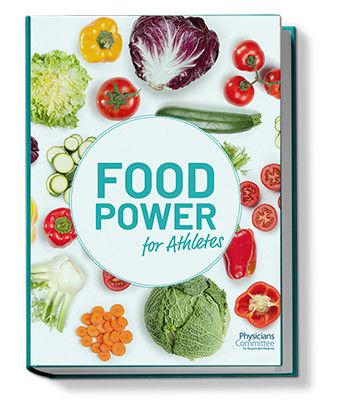
Năng lượng thực phẩm cho vận động viên
Đọc thêm
Tài liệu tham khảo
Hãy tặng quà thành viên năm 2026 ngay hôm nay!
Chế độ ăn dựa trên thực vật là chế độ ăn kiêng thể thao tối ưu
Nhiều vận động viên đã đạt đến đỉnh cao trong sự nghiệp thể thao của họ khi tuân theo chế độ ăn kiêng dựa trên thực vật. Chế độ ăn dựa trên thực vật cung cấp tất cả các chất dinh dưỡng mà cơ thể bạn cần để tập luyện và thi đấu, bao gồm đủ carbohydrate để cung cấp năng lượng cho quá trình tập luyện, đủ protein để xây dựng cơ bắp và đủ vi chất dinh dưỡng để hỗ trợ phục hồi.
Bởi vì chế độ ăn dựa trên thực vật có nhiều carbohydrate, ít chất béo và giàu vitamin, khoáng chất và chất chống oxy hóa nên nó có thể hỗ trợ hoặc cải thiện thành tích thể thao của bạn. Một nghiên cứu của Ủy ban Bác sĩ cho thấy các vận động viên sử dụng thực vật được hưởng lợi từ những cải thiện về sức khỏe tim mạch, hiệu suất và khả năng phục hồi.1
Carbohydrate là nhiên liệu chính được sử dụng trong quá trình tập luyện cường độ cao. Carbohydrate cũng rất cần thiết để bổ sung lượng glycogen dự trữ trong cơ và gan sau khi tập thể dục. Khuyến cáo hiện tại của Trường Cao đẳng Y học Thể thao Hoa Kỳ là các vận động viên nên tiêu thụ 5–10 gam carbohydrate trên mỗi kg trọng lượng cơ thể mỗi ngày, tùy thuộc vào cường độ và thời gian tập luyện.7 Trong khi carbohydrate phức hợp từ thực phẩm nguyên chất là tối ưu cho sức khỏe, thì carbohydrate đơn giản, có chỉ số đường huyết cao có thể hỗ trợ hiệu suất thể thao và cung cấp glucose trong khi tập luyện.8
So với carbohydrate, protein chỉ được sử dụng ở mức tối thiểu làm nhiên liệu. Chức năng chính của nó là xây dựng và duy trì các mô cơ thể, đặc biệt là cơ bắp. Chế độ ăn uống được khuyến nghị cho người trưởng thành trung bình, ít vận động hoặc hoạt động nhẹ là 0,8 gram mỗi kg trọng lượng cơ thể mỗi ngày. Đối với hầu hết mọi người, điều này là quá đủ.
Đối với vận động viên, hướng dẫn về protein là:
Đây là những hướng dẫn từ tuyên bố quan điểm của Hiệp hội Dinh dưỡng Thể thao Quốc tế.9 Tuy nhiên, điều quan trọng cần biết là mục tiêu của các vận động viên ưu tú tiêu thụ hơn 2 gam protein mỗi kg mỗi ngày là tập trung vào hiệu suất và không nhất thiết phải tối ưu hóa tuổi thọ hoặc sức khỏe tổng thể của họ. Ăn lượng protein cao như vậy mỗi ngày có thể làm mất đi lượng calo từ các thực phẩm có lợi khác, chẳng hạn như ngũ cốc nguyên hạt, trái cây, rau và các thực phẩm khác, giúp tăng cường sức khỏe và tuổi thọ tối ưu. Do đó, điều quan trọng là phải hiểu mục tiêu ngắn hạn và dài hạn của bạn khi xác định lượng protein cần tiêu thụ.
Các vận động viên đang tìm kiếm nguồn protein bổ sung có thể được tăng cường thêm từ đậu, sữa đậu nành, các loại hạt, hạt và các sản phẩm từ đậu nành, bao gồm đậu phụ, tempeh và bánh mì kẹp thịt chay.
Nhiều thử nghiệm lâm sàng đã chứng minh rằng khi kết hợp giữa protein và tập luyện, protein thực vật cũng có hiệu quả trong việc xây dựng cơ bắp như protein động vật. Một thử nghiệm đã so sánh 19 người ăn chay theo thói quen và 19 người có thói quen ăn tạp.10 Cả hai nhóm đều tiêu thụ 1,6 gam protein/kg trọng lượng cơ thể mỗi ngày, bổ sung đậu nành hoặc whey protein và tham gia chương trình rèn luyện sức đề kháng trong 12 tuần. Cả hai nhóm đều tăng khối lượng cơ nạc và cải thiện số lần lặp lại tối đa 1 lần, không có sự khác biệt có ý nghĩa thống kê giữa các nhóm.
Một thử nghiệm lâm sàng khác cũng so sánh chế độ ăn thuần chay hoàn toàn với chế độ ăn đa dạng, phù hợp với lượng protein 2 gam/kg/ngày, trong chương trình rèn luyện sức đề kháng kéo dài 10 tuần, và cũng phát hiện tương tự rằng không có sự khác biệt đáng kể nào giữa việc tăng kích thước hoặc sức mạnh cơ bắp. Thử nghiệm lâm sàng này cũng cho thấy rằng ba ngày áp dụng mỗi chế độ ăn kiêng mang lại tỷ lệ tổng hợp protein cơ bắp tương tự nhau, tức là tốc độ mà chúng ta có thể tạo ra mô cơ mới sau khi tập luyện.
Theo một phân tích tổng hợp được công bố vào năm 2018, đối với những vận động viên muốn bổ sung bột protein có thể cân nhắc sử dụng bột protein đậu nành, loại bột này đã được chứng minh là có hiệu quả tương đương với protein động vật trong việc cải thiện sức mạnh và kích thước cơ bắp, theo một phân tích tổng hợp được công bố vào năm 2018. Đậu nành có chứa phytoestrogen (hoặc estrogen thực vật), được cho là có tác dụng nữ tính hóa đối với nam giới. Tuy nhiên, hai phân tích tổng hợp đã phát hiện ra rằng cả đậu nành và isoflavone (một loại phytoestrogen) đều không có tác động tiêu cực đến mức testosterone.13-14
Chất béo là một phần cần thiết trong chế độ ăn uống vì nó đóng vai trò hấp thụ các vitamin tan trong chất béo, là nguồn năng lượng thay thế và được sử dụng trong sản xuất hormone. Khuyến nghị chung về lượng chất béo tiêu thụ cho các vận động viên là 20-35% lượng calo hàng ngày, theo nhiều tài liệu quan điểm khác nhau được xuất bản bởi các hiệp hội thể thao.15-16 Trong những tuyên bố quan điểm đó, người ta cũng khuyến nghị rằng lượng chất béo bão hòa nên được giữ ở mức dưới 10% lượng calo hàng ngày. Chế độ ăn ít chất béo cung cấp khoảng 10% lượng calo hàng ngày từ chất béo, mặc dù có lợi cho một số bệnh như tiểu đường loại 2, nhưng chưa được nghiên cứu kỹ ở các vận động viên. Chế độ ăn nhiều chất béo không được khuyến khích cho các vận động viên do hạn chế các chất dinh dưỡng quan trọng, đặc biệt là carbohydrate và chất xơ. Chất béo omega-3 có nguồn gốc thực vật được tìm thấy trong các loại hạt có tác dụng chống viêm và có thể thúc đẩy quá trình phục hồi ở vận động viên.17-18 Các vận động viên cũng có thể cân nhắc việc bổ sung omega-3 từ tảo.
Tải xuống sách điện tử miễn phí của chúng tôi để tìm hiểu cách thực phẩm có nguồn gốc thực vật có thể thúc đẩy hiệu suất thể thao và bắt đầu với các công thức nấu ăn có nguồn gốc từ thực vật! Điền vào biểu mẫu bên dưới và liên kết tải xuống sẽ được gửi đến hộp thư email của bạn.
Chế độ ăn thuần chay có lợi cho vận động viên
Đánh giá của Ủy ban Bác sĩ cho thấy các vận động viên sử dụng thực vật được hưởng lợi từ những cải thiện về sức khỏe tim mạch, hiệu suất và khả năng phục hồi.
Đánh giá của Ủy ban Bác sĩ cho thấy các vận động viên sử dụng thực vật được hưởng lợi từ những cải thiện về sức khỏe tim mạch, hiệu suất và khả năng phục hồi.
“ [Sau khi tôi ăn chay,] tôi bắt đầu sửa chữa và phục hồi với tốc độ này khiến tôi rất phấn khích, điều này thật tuyệt vời vì tôi có thể xử lý nhiều tải hơn, tôi có thể xử lý nhiều hơn trên đường đua, tôi có thể xử lý nhiều hơn trong phòng tập tạ, điều này khiến chúng tôi trở thành một đội tốt hơn. ”
Dotsie Bausch, huy chương bạc Olympic 2012
Nếu bạn hoặc ai đó bạn biết đang thắc mắc làm thế nào chế độ ăn dựa trên thực vật có thể tác động đến các hoạt động thể chất của họ, thì bộ tài liệu này có những thứ bạn cần.
Phòng ngừa bắt đầu từ hôm nay. Tham gia Khởi động thuần chay 21 ngày.
Liên kết liên quan
- Chuyển đến nội dung chính
- Ủy ban bác sĩ về trách nhiệm y tế
- Dành cho bác sĩ lâm sàng
- Dành cho sinh viên y khoa
- Dành cho các nhà khoa học
- Về chúng tôi
- Khả năng lãnh đạo
- Chiến thắng của chúng tôi
- Nghề nghiệp
- Thực tập
- Sự kiện
- Báo cáo thường niên và tài chính
- Trung tâm y tế Barnard
- Liên hệ với chúng tôi
- chất đạm
- bệnh tiểu đường loại 2,
- Tweet
- Chế độ ăn thuần chay cho vận động viên siêu hạng
- Khoa học thay đổi trò chơi: Sự thật về các vận động viên ăn chay
- 12 công thức ăn chay thay đổi cuộc chơi dành cho vận động viên