Ung thư vú
Chống lại ung thư vú bằng chế độ ăn thuần thực vật
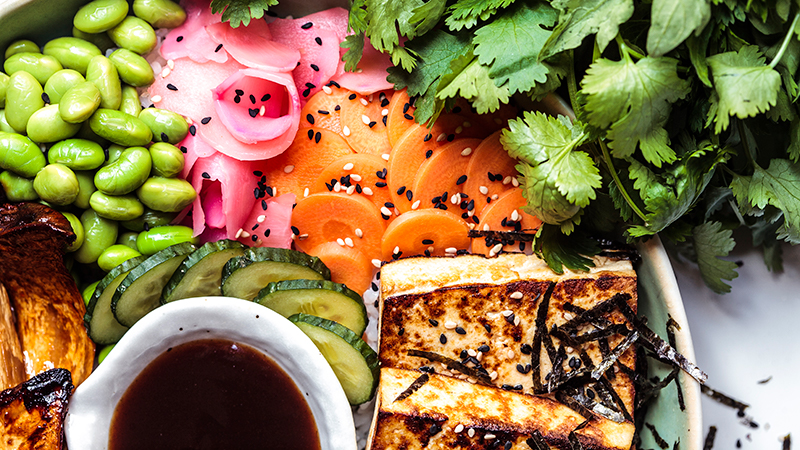
Bảo vệ bằng chế độ ăn dựa trên thực vật
Lợi ích của đậu nành
Mối nguy hiểm từ sữa
Thịt đỏ và thịt chế biến
Hãy đánh bại bệnh ung thư vú
Đọc thêm
Tài liệu tham khảo
Chống lại ung thư vú bằng chế độ ăn thuần thực vật
Ăn một chế độ ăn ít chất béo, nhiều trái cây, rau, ngũ cốc và đậu — đồng thời tránh thịt, sữa và các sản phẩm động vật béo — giúp tăng cường sức khỏe vú.
Chất lượng thực phẩm chúng ta tiêu thụ có thể ảnh hưởng đến nguy cơ phát triển ung thư vú. Nghiên cứu đã chỉ ra rằng tiêu thụ nhiều thực phẩm có nguồn gốc thực vật lành mạnh hơn, chẳng hạn như ngũ cốc nguyên hạt, trái cây và rau quả, có liên quan đến việc giảm nguy cơ phát triển ung thư vú.1 Trái cây và rau quả được phát hiện là có tác dụng bảo vệ chống lại sự phát triển ung thư vú và tử vong do ung thư vú.2 Các nhà nghiên cứu đã đề xuất rằng các chất chống oxy hóa có trong trái cây và rau quả bảo vệ chống lại ung thư vú bằng cách giảm tổn thương DNA trong tế bào vú.
Một nghiên cứu trên gần 10.000 phụ nữ cho thấy những người áp dụng chế độ ăn ít chất béo có nguy cơ tái phát ung thư vú thấp hơn 23%.3 Họ cũng có nguy cơ tử vong vì căn bệnh này thấp hơn 17%.
Ở những phụ nữ thừa cân bị ung thư vú di căn, chế độ ăn toàn thực phẩm, dựa trên thực vật có thể cải thiện các dấu hiệu sức khỏe. Nghiên cứu được công bố vào năm 2024 cho thấy chỉ sau 8 tuần thực hiện chế độ ăn kiêng, những phụ nữ trong nhóm can thiệp đã giảm lượng insulin lúc đói, giảm tình trạng kháng insulin, giảm cholesterol toàn phần và LDL, cải thiện nội tiết tố và giảm cân trung bình 6,6%.4 Mặc dù nghiên cứu này không đủ thời gian để đánh giá các kết quả liên quan đến ung thư, nghiên cứu trước đây đã phát hiện ra rằng chế độ ăn nhiều thực phẩm có nguồn gốc thực vật, đặc biệt là trái cây, rau và đậu nành, có liên quan đến nguy cơ tử vong do ung thư thấp hơn.5
Đậu nành đã được chứng minh là có tác dụng bảo vệ chống lại sự phát triển ung thư vú, đặc biệt khi tiêu thụ ở tuổi thiếu niên. Điều này có thể là do phytoestrogen ảnh hưởng đến mô vú đang phát triển ở tuổi dậy thì, dẫn đến giảm nguy cơ ung thư vú sau này. 6 Sau khi được chẩn đoán mắc bệnh ung thư vú, những phụ nữ ăn nhiều thực phẩm làm từ đậu nành thực sự có cơ hội sống lâu và khỏe mạnh hơn. Họ ít có khả năng tái phát và ít có khả năng tử vong vì ung thư vú hơn những phụ nữ bỏ qua đậu nành hoặc ăn ít đậu nành. 7-8 Quan điểm cho rằng các sản phẩm đậu nành có liên quan đến việc gia tăng tái phát bệnh là một quan niệm sai lầm đã được quảng bá rộng rãi và sai lầm. Kết quả nghiên cứu cho thấy rằng ăn thực phẩm từ đậu nành như đậu phụ, tempeh và sữa đậu nành dường như có tác dụng bảo vệ. 9
Đột biến gen BRCA là yếu tố nguy cơ di truyền quan trọng nhất gây ra ung thư vú. Một nghiên cứu cho thấy tác dụng bảo vệ của đậu nành ở những phụ nữ có đột biến BRCA mạnh hơn so với những phụ nữ không có. 10 Lượng đậu nành chỉ liên quan đến việc giảm 27% nguy cơ ung thư vú ở những người không có đột biến BRCA, nhưng giảm 73% nguy cơ ở những người mang đột biến gen BRCA.
Nghiên cứu về mối liên hệ giữa sữa và ung thư vú chưa rõ ràng. Nghiên cứu Dịch tễ học Cuộc sống sau ung thư cho thấy, trong số những phụ nữ trước đây được chẩn đoán mắc bệnh ung thư vú, những người tiêu thụ một hoặc nhiều khẩu phần sản phẩm từ sữa giàu chất béo (ví dụ: phô mai, kem, sữa nguyên chất) hàng ngày có tỷ lệ tử vong do ung thư vú cao hơn 49%, so với những người tiêu thụ ít hơn một nửa khẩu phần mỗi ngày, trong khi các sản phẩm từ sữa ít béo không liên quan đến nguy cơ gia tăng. 11
Nghiên cứu do Viện Ung thư Quốc gia, Viện Y tế Quốc gia và Quỹ Nghiên cứu Ung thư Thế giới tài trợ cho thấy những phụ nữ tiêu thụ 1/4 đến 1/3 cốc sữa bò mỗi ngày có nguy cơ mắc ung thư vú tăng 30%, trong khi không có thay đổi nào về nguy cơ liên quan đến phô mai hoặc sữa chua. 12
Một nghiên cứu dài hạn khác có tên là nghiên cứu China Kadoorie Biobank đã theo dõi 300.911 phụ nữ trước và sau mãn kinh trong 11 năm. 13 Trong nhóm dân số nơi mức tiêu thụ sữa tương đối thấp hơn so với dân số phương Tây, các nhà nghiên cứu đã tìm thấy mối liên hệ tích cực giữa việc tiêu thụ sữa và ung thư vú, với nguy cơ tăng 17% đối với mỗi 50 gam sản phẩm sữa được tiêu thụ mỗi ngày trên mức tiêu thụ trung bình là 37,9 gam.
Các nghiên cứu, chẳng hạn như Nghiên cứu đoàn hệ phụ nữ ở Vương quốc Anh, cho thấy thịt đỏ và thịt chế biến sẵn, như xúc xích và thịt xông khói, có thể làm tăng nguy cơ ung thư vú. 14 Nghiên cứu Sức khỏe Y tá II phát hiện ra rằng phụ nữ tiền mãn kinh ăn nhiều thịt đỏ nhất có nguy cơ mắc một loại ung thư vú phổ biến cao hơn 97%. 15 Nghiên cứu NIH-AARP với gần 200.000 phụ nữ cho thấy nguy cơ mắc ung thư vú cao hơn 25% ở những người ăn nhiều thịt đỏ nhất so với những người ăn ít nhất. 16
Chiến dịch Hãy Đánh bại Ung thư Vú là chiến dịch thường niên do Ủy ban Bác sĩ tiên phong nhằm cho thấy chế độ ăn uống và lối sống lành mạnh có thể giúp giảm nguy cơ ung thư vú của bạn như thế nào. Chiến dịch này tập trung vào bốn bước:
" Phytoestrogen bị mang tiếng xấu vì từ này có từ 'estrogen' trong đó. Nhưng đậu nành, chứa nhiều phytoestrogen, là một trong những thực phẩm có tác dụng bảo vệ tốt nhất mà bạn có thể ăn đối với bệnh ung thư vú, và bạn càng trẻ thì càng bắt đầu ăn đậu nành thường xuyên thì càng tốt. "
Roxanne Becker, MBChB, DipIBLM , Biên tập viên và nhà giáo dục y tế, Ủy ban bác sĩ
Các loại thực phẩm chúng ta ăn và các lựa chọn lối sống khác có thể có tác động mạnh mẽ đến sức khỏe của chúng ta.
Tìm hiểu cách thực phẩm chống lại ung thư và lợi ích của chế độ ăn nhiều chất xơ, ít chất béo, không có sữa và thịt. Bao gồm các thông tin cập nhật từ nghiên cứu mới nhất, các phần đặc biệt về ung thư tuyến tiền liệt và ung thư vú, mẹo thực hiện chuyển đổi chế độ ăn uống và hơn 130 công thức nấu ăn.
Bạn có thể tải xuống một tờ thông tin với bốn bước ở đây.
Liên kết liên quan
- Chiến dịch Hãy đánh bại ung thư vú
- Chia sẻ lên Bluesky
- Tweet
- Hướng dẫn sống sót sau ung thư - Ấn bản thứ hai
- Nhóm Vận động Y tế Quốc gia Khởi động Chiến dịch Toàn cầu nhằm Chống lại Ung thư Vú
- <p>Bạn có thể tải xuống tờ thông tin về bốn bước tại đây.</p> Tìm hiểu thêm.
- 72% Phụ Nữ Không Biết Điều Này Ngăn Ngừa Ung Thư Vú | Tiến sĩ Kristi Funk