Vi khuẩn đường ruột
Tối ưu hóa sức khỏe đường ruột bằng chế độ ăn dựa trên thực vật
Tăng cường vi khuẩn đường ruột khỏe mạnh bằng thực phẩm có nguồn gốc thực vật
Hãy thử những công thức nấu ăn dựa trên thực vật này
Hướng dẫn về hệ vi sinh vật đường ruột
Thông tin thêm về vi khuẩn đường ruột
Tài liệu tham khảo
Hãy tặng quà thành viên năm 2026 ngay hôm nay!
Tối ưu hóa sức khỏe đường ruột bằng chế độ ăn dựa trên thực vật
Chế độ ăn dựa trên thực vật có thể cải thiện sức khỏe và ngăn ngừa bệnh tật bằng cách nuôi dưỡng vi khuẩn tốt trong đường tiêu hóa của bạn.
Hàng tỷ vi khuẩn sống trong đường tiêu hóa của bạn và đóng một vai trò quan trọng đối với sức khỏe. Tuy nhiên, trong số hàng nghìn loài vi khuẩn đường ruột sống trong ruột của bạn, một số loài có lợi cho cơ thể bạn - trong khi những loài khác thì không.
Chế độ ăn thuần thực vật lành mạnh giúp cải thiện sức khỏe và sự đa dạng của vi khuẩn đường ruột, ngăn ngừa và điều trị các tình trạng như béo phì, tiểu đường, bệnh tim và viêm nhiễm liên quan đến các bệnh tự miễn.1
Thực phẩm giàu chất xơ nuôi dưỡng vi khuẩn khỏe mạnh giúp cải thiện chức năng miễn dịch, giảm viêm và bệnh mãn tính, thậm chí giúp điều chỉnh tâm trạng. Nó là một chất dinh dưỡng cần thiết để duy trì nhu động ruột đều đặn và giữ cho các tế bào lót đường tiêu hóa của bạn khỏe mạnh. Vì chất xơ cồng kềnh và giúp giữ cho các chất di chuyển trơn tru trong hệ thống của bạn, điều này làm giảm bất kỳ sự tiếp xúc nào mà tế bào của bạn có với các độc tố tiềm ẩn. Ngoài ra, chất xơ còn đóng vai trò là nhiên liệu cho vi khuẩn đường ruột khỏe mạnh của chúng ta. Việc có được vi khuẩn đường ruột cân bằng, được nuôi dưỡng tốt là một phần quan trọng để có sức khỏe tốt.2 Nhờ quá trình phân hủy chất xơ, vi khuẩn đường ruột của chúng ta tạo ra các axit béo chuỗi ngắn có nhiều lợi ích, bao gồm củng cố niêm mạc ruột, giúp hấp thu khoáng chất, cân bằng lượng đường trong máu, tăng cảm giác no, góp phần giảm cân, giảm viêm và ảnh hưởng đến biểu hiện gen.3-5
Prebiotic là chất xơ không tiêu hóa được tìm thấy trong thực phẩm thực vật, nuôi dưỡng vi khuẩn khỏe mạnh trong ruột. Cơ thể con người không thể tự tiêu hóa các hợp chất này, vì vậy chúng di chuyển qua ruột mà không được tiêu hóa cho đến khi đến ruột kết, nơi chúng được lên men bởi vi khuẩn. Prebiotic đã được chứng minh là cải thiện sự hấp thụ khoáng chất, giảm chất béo trung tính, cải thiện khả năng miễn dịch, ức chế mầm bệnh, cải thiện lượng glucose, giảm viêm, giảm nguy cơ ung thư và cải thiện trọng lượng cơ thể.6-8 Nguồn prebiotic tốt bao gồm ngũ cốc nguyên hạt, các loại đậu, trái cây và rau quả, đặc biệt là tỏi tây, hành, tỏi, măng tây và rau bina.
Probiotic là vi khuẩn sống hoặc nấm men được tìm thấy trong thực phẩm lên men, khi được tiêu thụ sẽ cư trú trong ruột và cải thiện sức khỏe. Probiotic giúp ngăn ngừa táo bón, cải thiện hệ thống miễn dịch của bạn và thậm chí cải thiện sức khỏe tâm thần.9-11 Các nguồn tốt cho sức khỏe bao gồm dưa cải bắp, miso, tempeh, kim chi và nước kefir.
Thịt đỏ, các sản phẩm từ sữa giàu chất béo và thực phẩm chiên rán đều làm giảm sự phát triển của vi khuẩn có lợi và tăng cường sự phát triển của vi khuẩn “xấu” liên quan đến bệnh mãn tính.12
Tránh thực phẩm chiên, xào bằng nước xịt nấu ăn hoặc nước dùng thay vì dầu và sử dụng nước sốt salad ít chất béo, đặc biệt nếu bạn mắc bệnh tiểu đường hoặc tiền tiểu đường. Hầu hết các loại thực phẩm thực vật đều có ít chất béo một cách tự nhiên. Chế độ ăn nhiều chất béo có liên quan đến tình trạng viêm gia tăng và vi khuẩn đường ruột không có lợi.13
Mặc dù thuốc kháng sinh có thể cứu sống và cần thiết nhưng chúng cũng có thể được kê đơn quá mức. Thuốc kháng sinh không chỉ tiêu diệt vi khuẩn gây nhiễm trùng trong cơ thể mà còn tiêu diệt vi khuẩn có lợi trong đường ruột của bạn. Nghiên cứu đã phát hiện ra rằng việc sử dụng kháng sinh có thể làm giảm sự đa dạng và chức năng của vi khuẩn trong ruột, đồng thời khiến bạn dễ bị nhiễm C. difficile hơn, biểu hiện dưới dạng tiêu chảy nước, co thắt dạ dày và sốt.14 Cục Quản lý Thực phẩm và Dược phẩm Hoa Kỳ ước tính rằng 80% kháng sinh thực sự được sử dụng trong chăn nuôi động vật, điều này cũng góp phần làm tăng tình trạng kháng kháng sinh ở người, vì vậy việc tránh các sản phẩm động vật có thể mang lại lợi ích hơn nữa cho hệ vi sinh vật đường ruột của bạn.15
Tập thể dục, ngủ đủ giấc và kiểm soát căng thẳng đều có thể có tác động tích cực đến vi khuẩn đường ruột của bạn.16-18
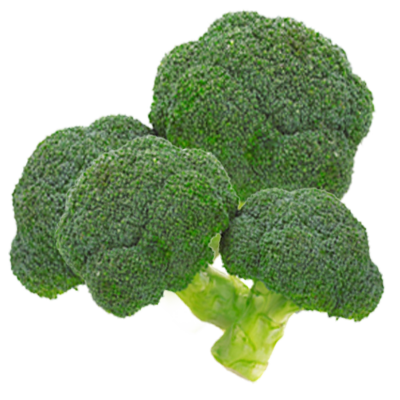
Chứa glucosinolates chống viêm và ung thư
Chống viêm và ổn định vi khuẩn đường ruột
Giàu chất xơ prebiotic inulin
Tăng cường hệ thống miễn dịch và tiêu diệt vi khuẩn có hại
Loại bỏ vi khuẩn không lành mạnh và tăng cường hấp thụ chất dinh dưỡng
Hãy tham gia Khởi động Thuần chay 21 ngày!
Nhận kế hoạch bữa ăn thuần chay, công thức nấu ăn và hơn thế nữa!
"Chất xơ là chất dinh dưỡng quan trọng nhất để có đường ruột khỏe mạnh, tuy nhiên khoảng 95% người Mỹ không tiêu thụ đủ chất xơ. Dễ dàng có đủ chất xơ nếu bạn tập trung ăn ngũ cốc nguyên hạt, đậu, trái cây và rau quả mỗi ngày."
Roxanne Becker, MBChB, DipIBLM, Biên tập viên và nhà giáo dục y tế, Ủy ban bác sĩ
Bạn có bị cholesterol cao không? Khó giảm cân? Khó tiêu? Có một mối liên hệ đáng ngạc nhiên giữa tất cả những vấn đề sức khỏe này – và nó tồn tại trong ruột của bạn. Tìm hiểu thêm về vi khuẩn đường ruột bằng cách tải xuống sách điện tử miễn phí của chúng tôi. Điền vào biểu mẫu bên dưới và nhấp vào liên kết “tải xuống” sau khi bạn nhấp vào gửi.
Đây không phải là chủ đề hấp dẫn nhất nhưng vi khuẩn đường ruột lại là một trong những chủ đề được bàn luận nhiều nhất về sức khỏe trên mạng.
Tin tức sức khỏe và dinh dưỡng
Chế độ ăn thuần chay giúp vi khuẩn đường ruột khỏe mạnh hơn.
Tin tức khoa học sáng tạo
Đường làm chua đường ruột và gây rối loạn hệ vi sinh vật như thế nào | Tiến sĩ Will Bulsiewicz
Liên kết liên quan
- Chuyển đến nội dung chính
- Ủy ban bác sĩ về trách nhiệm y tế
- Dành cho bác sĩ lâm sàng
- Dành cho sinh viên y khoa
- Dành cho các nhà khoa học
- Về chúng tôi
- Khả năng lãnh đạo
- Chiến thắng của chúng tôi
- Nghề nghiệp
- Thực tập
- Sự kiện
- Báo cáo thường niên và tài chính
- Trung tâm y tế Barnard
- Liên hệ với chúng tôi
- Tweet
- Burritos bông cải xanh
- Vi khuẩn đường ruột 101
- Hệ vi sinh vật đường ruột ở người ăn chay cho thấy sức khỏe tim mạch tốt hơn